
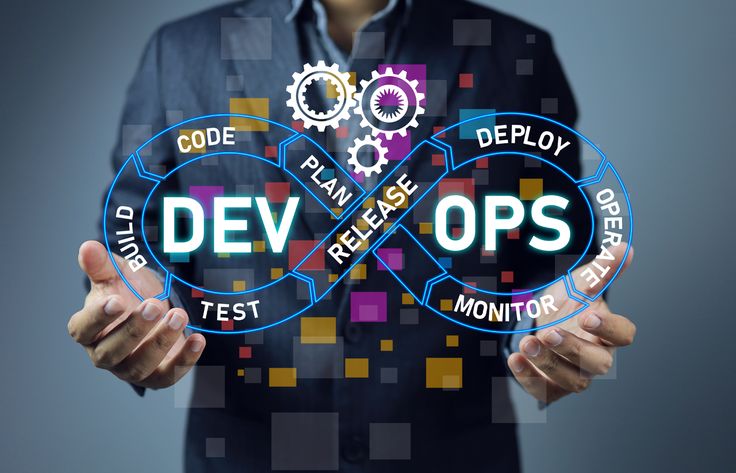

In today’s competitive software development landscape, businesses must deliver applications faster, more securely, and with fewer errors. This is where DevOps tools for CI/CD (Continuous Integration and Continuous Deployment) play a critical role.
In this blog, we will explore the top DevOps tools for CI/CD, understand how they work, and learn which tools are best suited for WordPress and modern software development projects.
What Are CI/CD Tools?
Continuous Integration (CI) is the practice of automatically testing and merging code changes into a shared repository.
Continuous Deployment (CD) ensures that validated code is automatically deployed to live servers without manual intervention.
Why CI/CD Is Important?
- Faster release cycles
- Improved code quality
- Reduced deployment risks
- Better collaboration between teams
1. Jenkins – Popular Open-Source CI/CD Tool
Jenkins is one of the most widely used DevOps tools for CI/CD automation.
Key Features:
- Open-source and free
- Thousands of plugins available
- Integrates easily with Git, GitHub, GitLab, and Bitbucket
Use Case:
Ideal for beginners and enterprise-level CI/CD pipelines
2. GitHub Actions – Best CI/CD Tool for GitHub Users
GitHub Actions allows developers to build CI/CD workflows directly inside GitHub repositories.
Key Features:
- Native GitHub integration
- YAML-based workflow configuration
- Supports Docker and cloud deployments
Use Case:
Perfect for WordPress projects hosted on GitHub
3. GitLab CI/CD – All-in-One DevOps Platform
GitLab CI/CD provides built-in pipelines with strong security features.
Key Features:
- Integrated CI/CD with GitLab repositories
- Auto DevOps functionality
- Scalable and secure
Use Case:
Best for large teams and enterprise DevOps workflows
4. Docker – Containerization for CI/CD
Docker helps create consistent environments across development, testing, and production.
Key Features:
- Lightweight containers
- Faster and reliable deployments
- Eliminates environment-related issues
Use Case:
Essential tool for modern DevOps and microservices
5. Kubernetes – Container Orchestration Tool
Kubernetes (K8s) manages and scales containerized applications efficiently.
Key Features:
- Auto-scaling and self-healing
- Load balancing
- High availability
Use Case:
Large-scale CI/CD and cloud-native applications
6. Ansible – Automation and Configuration Management
Ansible automates infrastructure and deployment tasks.
Key Features:
- Agent-less architecture
- Simple YAML playbooks
- Efficient server automation
Use Case:
Infrastructure automation in CI/CD pipelines
7. CircleCI – Fast Cloud-Based CI/CD Tool
CircleCI is known for its speed and ease of use.
Key Features:
- Fast build execution
- Easy pipeline setup
- Strong Docker support
Use Case:
Startups and SaaS-based projects
Best DevOps Tools for CI/CD in WordPress Projects
WordPress developers can use CI/CD tools to automate theme and plugin deployment.
Recommended Tools:
- GitHub Actions
- Jenkins
- GitLab CI/CD
- Docker
Benefits for WordPress:
- Automated updates
- Staging-to-production workflows
- Reduced human errors
Conclusion
Choosing the right DevOps tools for CI/CD is essential for building reliable and scalable applications. Tools like Jenkins, GitHub Actions, Docker, and Kubernetes simplify automation and improve deployment speed.
Whether you are a WordPress developer or DevOps beginner, mastering these CI/CD tools will significantly enhance your development workflow.